
How to Hurricane-Proof Your Roof: A Northeast Florida Homeowner’s Complete Guide
Published: December 10, 2025By Shorebreak Services | Woman-Owned Roofing & Painting Contractor | GAF Master Elite Certified | Serving Northeast Florida Since 2013
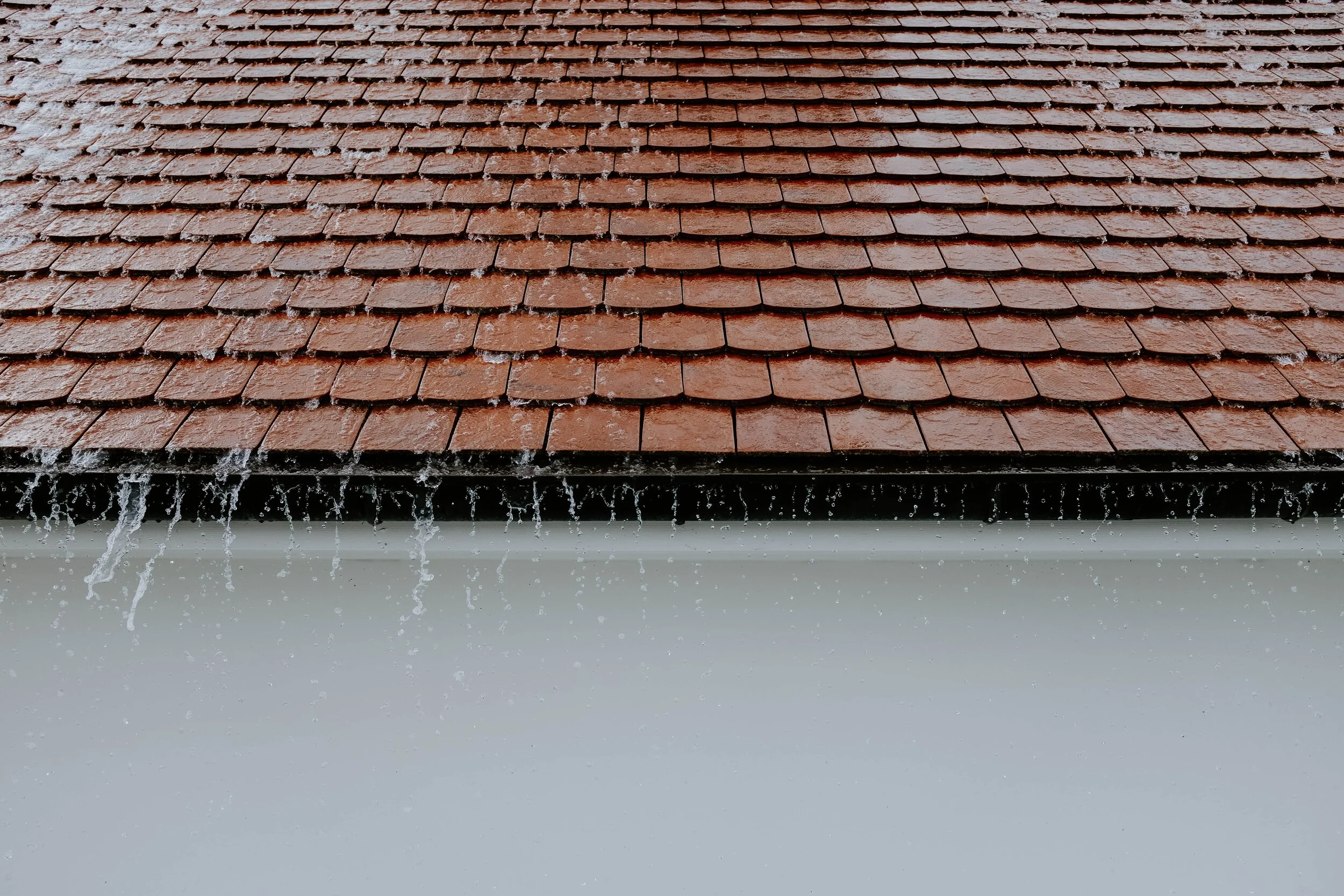
Living in Northeast Florida means embracing the beauty of coastal life while respecting the power of Atlantic hurricane season. For homeowners in Jacksonville, Nassau County, St. Johns County, and Clay County, your roof serves as the first line of defense against tropical storms and hurricanes that threaten our region each year. Understanding how to properly prepare and maintain your roofing system can mean the difference between minor repairs and catastrophic damage.
At Shorebreak Services, our team has served Northeast Florida families for over 12 years, combining that experience with more than 50 years of local family roots in our community. As a GAF Master Elite certified contractor—a distinction held by only 3% of roofing contractors nationwide—we’ve helped thousands of homeowners protect their most valuable investment against Florida’s severe weather events.
Understanding Hurricane Risks to Your Roof
Northeast Florida sits in one of the most hurricane-prone regions in the United States. According to the National Oceanic and Atmospheric Administration (NOAA), our area has experienced numerous significant hurricane events, with wind speeds often exceeding 100 miles per hour during major storms. These extreme conditions create multiple threats to residential roofing systems.
The primary dangers include sustained high winds that can lift and tear shingles from the roof deck, wind-driven rain that infiltrates through compromised seals and flashing, and flying debris that can puncture or damage roofing materials. Additionally, the pressure differentials created during a hurricane can cause uplift forces that literally pull roofing components away from the structure.
KEY TAKEAWAY: Northeast Florida homes face unique hurricane risks including sustained winds over 100 mph, wind-driven rain infiltration, and debris damage. Professional roof assessments before storm season can identify vulnerabilities before they become catastrophic failures.
Pre-Storm Roof Inspection: What the Experts Check
A comprehensive roof inspection before hurricane season is essential for identifying potential weaknesses. Professional roofing contractors examine numerous components that homeowners might overlook, starting with the overall condition of roofing materials, including shingles, tiles, or metal panels.
Critical Inspection Points
Our certified inspectors at Shorebreak Services evaluate several key areas during pre-storm assessments. Flashing around chimneys, vents, and skylights receives careful attention, as these transition points often fail first during severe weather. We examine the roof deck attachment and look for signs of previous water intrusion, including staining, warping, or mold growth in attic spaces.
Gutter systems and drainage pathways require evaluation to ensure water can move efficiently away from the roof surface. Clogged or damaged gutters contribute to water backup that can compromise fascia boards and roof edges—areas particularly vulnerable during hurricanes. We also assess soffit venting, which plays a crucial role in attic pressure equalization during storm events.
KEY TAKEAWAY: Professional inspections should cover shingles, flashing, roof deck integrity, drainage systems, and attic conditions. Schedule inspections before June 1st—the official start of Atlantic hurricane season.
Hurricane-Resistant Roofing Materials for Florida Homes
Not all roofing materials perform equally during hurricane conditions. Florida Building Code requirements have evolved significantly following major storm events, establishing minimum standards for wind resistance. However, homeowners seeking maximum protection should consider materials that exceed these minimums.
Asphalt Shingles
Modern impact-resistant asphalt shingles have transformed what was once considered a moderate-performing material into a viable option for hurricane-prone areas. Shingles rated for Class 4 impact resistance can withstand impacts simulating large hail and flying debris. When installed with enhanced nailing patterns and proper adhesive strips, quality asphalt shingles provide excellent protection while remaining cost-effective.
Metal Roofing Systems
Metal roofing offers exceptional wind resistance, with many systems rated for winds exceeding 140 miles per hour when properly installed. Standing seam metal roofs, in particular, feature interlocking panels that resist uplift forces better than exposed fastener systems. Metal roofing also provides superior durability against salt air corrosion—a significant consideration for Nassau County coastal properties.
KEY TAKEAWAY: Impact-resistant asphalt shingles and standing seam metal roofing systems offer the best hurricane protection for Northeast Florida homes. Metal roofing excels in coastal environments where salt air corrosion threatens other materials.
Roof Reinforcement Strategies That Save Homes
Beyond material selection, how your roof is installed and reinforced determines its hurricane performance. Several proven strategies dramatically improve wind resistance and reduce the likelihood of catastrophic failure during major storms.
Secondary Water Barrier Protection
Installing a secondary water barrier beneath roofing materials provides crucial protection if primary materials fail during a storm. Self-adhering modified bitumen membranes create a waterproof layer over the roof deck, preventing water intrusion even if shingles or tiles are stripped away by wind. Florida law now requires secondary water barriers in high-velocity hurricane zones, and many insurance companies offer premium discounts for this protection.
Enhanced Fastening Methods
Standard roofing nails and attachment methods may meet code requirements but fall short of optimal storm protection. Ring-shank nails provide superior holding power compared to smooth-shank fasteners. Six-nail patterns per shingle, rather than the standard four, significantly increase wind resistance. For metal roofing, concealed clip systems and proper seam engagement ensure panels remain secured during extreme wind events.
Roof-to-Wall Connections
The connection between your roof structure and wall framing represents a critical vulnerability during hurricanes. Hurricane straps or clips—metal connectors that tie roof trusses or rafters to wall studs—can prevent the entire roof assembly from lifting off during a storm. While retrofitting existing homes with these connectors requires accessing attic spaces, the investment provides substantial protection and often qualifies for insurance discounts.
KEY TAKEAWAY: Secondary water barriers, enhanced fastening patterns, and hurricane straps work together to create a comprehensive defense system. These improvements often qualify for insurance premium reductions.
Post-Storm Assessment and Emergency Repairs
Even well-prepared roofs can sustain damage during severe hurricanes. Knowing what to do immediately after a storm passes can minimize secondary damage and expedite the restoration process.
Safe inspection practices should guide your initial assessment. Never climb onto a roof after a storm until professionals have verified structural integrity. From ground level, look for obvious signs of damage including missing shingles, visible daylight through the roof deck from inside the attic, displaced flashing, or debris impacts. Document all visible damage with photographs and videos for insurance purposes.
Shorebreak Services provides emergency storm damage response throughout Northeast Florida, with crews available to assess damage and implement temporary protective measures. Our emergency tarping services help prevent water intrusion while permanent repairs are scheduled. For major storm events, we can mobilize additional resources from our network to expedite response times across Duval, Nassau, Clay, and St. Johns counties.
Working with Insurance After Storm Damage
Navigating insurance claims for hurricane roof damage requires documentation, persistence, and often professional assistance. Begin by reviewing your homeowner’s policy before storm season to understand your coverage, deductibles, and any hurricane-specific provisions.
Documenting your roof’s condition before and after storms creates a clear record for claims. Keep receipts from maintenance work and any upgrades or repairs. After storm damage, file claims promptly and request that your insurance company send an adjuster to inspect the damage in person.
Many homeowners benefit from having a professional roofing contractor present during insurance inspections. Experienced contractors can identify damage that adjusters might miss and can explain the technical aspects of roof systems to ensure proper claim valuation. At Shorebreak Services, we regularly assist our clients throughout the insurance claims process, helping ensure fair settlements that cover necessary repairs.
KEY TAKEAWAY: Document roof condition before and after storms, understand your policy details, and consider having a professional contractor present during adjuster visits to ensure accurate damage assessment.
Frequently Asked Questions About Hurricane Roof Preparation
1. How often should I have my roof inspected before hurricane season?
Northeast Florida homeowners should schedule professional roof inspections at least annually, ideally in late spring before hurricane season officially begins on June 1st. Homes older than 15 years or those that have experienced previous storm damage may benefit from semi-annual inspections. These assessments allow contractors to identify and address vulnerabilities before severe weather threatens.
2. Does my homeowner’s insurance cover hurricane roof damage?
Most Florida homeowner’s policies cover hurricane damage, but typically with separate hurricane deductibles that are often higher than standard deductibles. Hurricane deductibles are frequently calculated as a percentage of your home’s insured value rather than a flat dollar amount. Review your policy carefully and consider whether additional coverage, such as flood insurance or coverage for complete roof replacement, makes sense for your situation.
3. What makes GAF Master Elite certification important for hurricane protection?
GAF Master Elite certification represents the highest level of training and qualification in the roofing industry, with only 3% of roofing contractors achieving this status. Certified contractors receive specialized training in proper installation techniques that maximize wind resistance and warranty protection. GAF Master Elite contractors can offer the industry’s strongest warranties, including coverage against wind damage—a crucial consideration in hurricane-prone regions.
4. Should I replace my roof before hurricane season if it’s aging?
Roofs approaching the end of their expected lifespan—typically 15-20 years for standard asphalt shingles—may warrant replacement before facing another hurricane season. Signs indicating replacement may be preferable to repairs include widespread granule loss, multiple missing or damaged shingles, visible sagging, or evidence of water intrusion. A professional assessment can help determine whether repairs will provide adequate protection or whether full replacement makes more financial sense.
5. How do metal roofs perform compared to shingles during hurricanes?
Quality metal roofing systems generally outperform asphalt shingles during extreme wind events, with properly installed standing seam systems rated for winds exceeding 140 mph. Metal roofs also resist impact damage from flying debris better than most shingle products. However, modern impact-resistant shingles have significantly improved performance, and either option can provide excellent protection when installed correctly by certified professionals.
6. What temporary measures can protect my roof if a hurricane is approaching?
While no temporary measure substitutes for a properly maintained roof, some actions can provide additional protection when storms approach. Trimming overhanging tree branches reduces debris risk. Securing or removing loose items from your yard prevents them from becoming projectiles. If damage already exists, emergency tarping by professionals can provide temporary protection. Avoid attempting roof work yourself as conditions deteriorate—professional emergency services are safer and more effective.
7. Are there financial incentives for hurricane-proofing my roof?
Florida offers several incentives for hurricane-resistant roof improvements. Many insurance companies provide premium discounts for homes with impact-resistant roofing materials, secondary water barriers, and hurricane straps. The My Safe Florida Home program has historically provided matching funds for wind mitigation improvements, though availability varies by funding cycle. Additionally, some improvements may qualify for property tax exemptions or federal tax credits when combined with energy-efficient upgrades.
Protect Your Home Before the Next Storm
Hurricane preparation isn’t just about boarding windows and stocking supplies—your roof requires equal attention to protect everything beneath it. Whether you need a comprehensive pre-season inspection, repairs to address existing vulnerabilities, or a complete roof replacement with hurricane-rated materials, taking action before storms threaten is always the wisest approach.
Shorebreak Services has protected Northeast Florida homes since 2013, bringing GAF Master Elite expertise and more than 50 years of local family knowledge to every project. As a woman-owned business headquartered in Yulee, we understand the unique challenges our coastal communities face and take pride in helping our neighbors weather every storm season safely.
Contact Shorebreak Services today to schedule your pre-hurricane roof inspection and ensure your home is ready for whatever the Atlantic brings this season.