
Roof Repair vs. Replacement: How Northeast Florida Homeowners Can Make the Right Decision
Published: December 10, 2025By Shorebreak Services | Woman-Owned Roofing & Painting Contractor | GAF Master Elite Certified | Serving Northeast Florida Since 2013
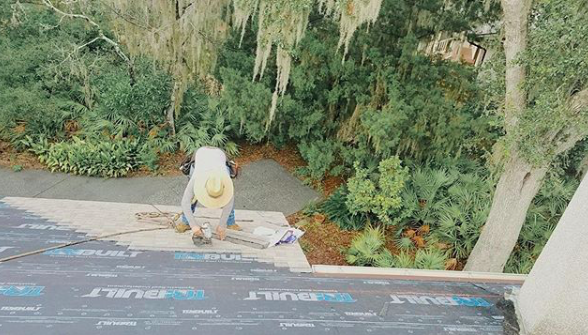
Every homeowner eventually faces the pivotal question: should I repair my roof or replace it entirely? This decision involves more than comparing price tags—it requires understanding your roof’s current condition, anticipated lifespan, local climate factors, and long-term financial implications. Making the wrong choice can cost thousands of dollars in unnecessary expenses or leave your home vulnerable to damage that could have been prevented.
At Shorebreak Services, our team has evaluated thousands of roofs across Jacksonville, Nassau County, Clay County, and St. Johns County since 2013. As a GAF Master Elite certified contractor with more than 50 years of local family roots in Northeast Florida, we’ve developed a clear framework for helping homeowners navigate this important decision. This guide shares that expertise so you can approach your roofing situation with confidence.
When Roof Repair Is the Right Choice
Roof repairs make financial and practical sense in specific circumstances. Understanding when repairs adequately address problems—versus when they simply delay inevitable replacement—helps homeowners avoid wasting money on temporary fixes.
Localized Damage
When damage affects a small, defined area of your roof, targeted repairs often provide the most cost-effective solution. Storm damage that impacts a single section, fallen tree branches that damage a few square feet, or isolated leaks from specific penetrations typically don’t warrant full replacement. These repairs can restore your roof’s protective function without the investment required for complete re-roofing.
Younger Roof Systems
Roofs well within their expected lifespan typically justify repair investments. An asphalt shingle roof that’s only seven years old with an expected 20-year lifespan has significant service life remaining. Investing in quality repairs to address specific issues makes sense when the underlying roof system remains structurally sound with years of protection ahead.
Minor Wear Patterns
Normal aging creates predictable wear patterns that don’t necessarily indicate the need for replacement. Cracked or curling shingles in high-exposure areas, minor flashing deterioration around vents, or small areas of granule loss often respond well to targeted repairs. When these issues remain isolated rather than widespread, repairs can extend your roof’s functional life considerably.
KEY TAKEAWAY: Repairs make sense for localized damage, roofs under 15 years old with isolated issues, and minor wear that hasn’t spread across the entire roof surface. The key factor is whether the underlying roof system remains sound.
Warning Signs That Point Toward Roof Replacement
Certain conditions indicate that repairs will provide only temporary relief, making replacement the more economical long-term choice. Recognizing these signs early helps homeowners plan financially and avoid sinking money into a roof that needs complete replacement.
Age-Related Deterioration
Most asphalt shingle roofs in Northeast Florida last 15-20 years under normal conditions, though our hot, humid climate and hurricane exposure can accelerate aging. When a roof approaches or exceeds its expected lifespan, repairs become increasingly ineffective. The underlying materials have degraded beyond the point where spot repairs can restore reliable protection.
Widespread Damage Patterns
When damage appears across large portions of your roof rather than in isolated spots, replacement typically offers better value than multiple repairs. Extensive granule loss visible in gutters and downspouts, widespread curling or buckling shingles, and multiple simultaneous leaks all suggest systemic failure rather than localized problems. The United States Department of Energy notes that roofing materials reaching the end of their service life often show simultaneous degradation across the entire roof surface.
Structural Concerns
Problems extending beyond the roofing materials themselves often necessitate replacement. A sagging roof deck indicates potential structural failure requiring more than surface repairs. Rotted decking, deteriorated rafters, or damaged trusses discovered during inspection mean the roof system has failed at a fundamental level. These conditions require comprehensive restoration that simple repairs cannot address.
Recurring Issues
A pattern of repeated repairs signals that the roof has reached the end of its serviceable life. If you’ve addressed the same leak multiple times, dealt with recurring shingle blow-offs, or noticed that repairs seem to create new problems elsewhere, your roof is telling you it’s time for replacement. The accumulated cost of ongoing repairs quickly exceeds replacement investment while leaving you with a compromised roof.
KEY TAKEAWAY: Consider replacement when your roof exceeds 15-20 years old, shows widespread rather than localized damage, exhibits structural issues like sagging, or requires increasingly frequent repairs.
Understanding the Financial Equation
The repair-versus-replacement decision ultimately comes down to value over time. While the upfront cost of replacement significantly exceeds repair costs, the long-term financial picture often favors replacement when roofs reach certain thresholds.
The 50% Rule
Many roofing professionals apply the 50% rule as a general guideline: if repair costs will exceed 50% of replacement costs, replacement typically makes more financial sense. This accounts for the improved warranty coverage, enhanced protection, and reset service life that a new roof provides. However, this rule requires adjustment based on roof age and condition—a 7-year-old roof might justify repairs exceeding 50% of replacement cost, while a 17-year-old roof might not.
Insurance Implications
Your insurance coverage significantly impacts the repair-or-replace calculation. Some policies provide full replacement value for storm-damaged roofs regardless of age, while others depreciate coverage based on roof age. Understanding your specific coverage before making decisions ensures you don’t leave money on the table or assume coverage that doesn’t exist. Additionally, a new roof often qualifies for insurance premium discounts that partially offset replacement costs over time.
Property Value Considerations
A new roof provides substantial return on investment when selling your home. Real estate studies consistently show that new roofing ranks among the top home improvements for resale value recovery. If you’re considering selling within the next few years, a worn roof can significantly impact both sale price and how quickly your home sells. Conversely, if you plan to remain in your home long-term, a new roof’s warranty protection and reduced maintenance needs provide value throughout your ownership.
KEY TAKEAWAY: When repair costs exceed 50% of replacement costs, replacement usually provides better value—especially for older roofs. Insurance coverage and future property plans should influence your decision.
Special Considerations for Northeast Florida Homes
Our region’s unique climate and environmental factors require additional consideration when making roofing decisions. What might be a clear repair candidate in other regions could warrant replacement here due to our specific conditions.
Hurricane Season Preparedness
Northeast Florida’s position on the Atlantic coast means hurricane exposure is a constant consideration. A roof with marginal damage heading into hurricane season presents greater risk than the same roof in a less storm-prone region. Timing your roofing work to ensure your home is fully protected before the June-November hurricane season often influences whether to pursue extensive repairs or opt for replacement with modern, wind-resistant materials.
Humidity and Heat Effects
Florida’s intense heat and humidity accelerate roofing material degradation compared to more moderate climates. Shingles may reach end-of-life conditions earlier than manufacturer projections based on different climate zones. When evaluating roof condition, our team at Shorebreak Services considers how our specific climate has affected the materials, rather than relying solely on installation age.
Salt Air Exposure
Homes in Nassau County coastal communities like Fernandina Beach and Yulee face additional material stress from salt air exposure. Salt accelerates corrosion of metal components and can affect certain roofing materials more severely than identical products installed inland. When recommending repair versus replacement for coastal properties, we account for these additional degradation factors.
KEY TAKEAWAY: Northeast Florida’s hurricane exposure, humidity, heat, and coastal salt air all accelerate roof aging. Factor these regional conditions into your decision—roofs here may need replacement sooner than manufacturer estimates suggest.
The Value of Professional Assessment
While this guide provides a framework for understanding your options, a professional roof inspection offers insights that even detailed articles cannot provide. Trained inspectors identify issues invisible to homeowners and can assess whether visible problems indicate deeper concerns.
At Shorebreak Services, our inspection process goes beyond surface examination. We evaluate attic conditions for hidden water damage, assess ventilation adequacy, check flashing condition at all penetrations, and examine the roof deck where accessible. This comprehensive approach ensures our recommendations address your roof’s actual condition rather than just visible symptoms.
Our GAF Master Elite certification means we’ve received advanced training in identifying both obvious defects and subtle indicators of developing problems. We provide honest assessments because our reputation depends on giving homeowners accurate information—whether that means recommending a simple repair or explaining why replacement offers better long-term value.
Frequently Asked Questions About Roof Repair vs. Replacement
1. How long should a roof last in Northeast Florida?
Standard three-tab asphalt shingles typically last 15-20 years in our climate, while architectural shingles can reach 20-25 years with proper maintenance. Metal roofing systems often last 40-50 years or more. However, these timelines assume quality installation and regular maintenance. Our intense UV exposure, humidity, and hurricane events can shorten these projections. Regular inspections help determine whether your specific roof is aging normally or showing premature deterioration.
2. Can I just repair the damaged section and replace later?
Sometimes, yes. If your roof has localized damage but is otherwise in good condition with years of service life remaining, targeted repairs can provide several additional years of protection while you plan financially for eventual replacement. However, this approach works best when the underlying roof system remains sound. If widespread deterioration exists, spending money on repairs only delays the inevitable while leaving your home at continued risk.
3. What does a professional roof inspection include?
Comprehensive inspections examine visible roofing materials for wear, damage, and aging signs. Inspectors check flashing around chimneys, vents, and skylights—common failure points. Gutter condition and drainage patterns receive attention, as do soffit and fascia boards. Interior inspection of attic spaces reveals hidden water damage, insulation condition, and ventilation adequacy. The inspection should conclude with a clear assessment and written recommendations.
4. Will a new roof lower my insurance premiums?
Many Florida insurance companies offer significant premium reductions for new roofs, particularly those installed with impact-resistant materials and enhanced wind-resistance features. Discounts vary by carrier but can reach 20-30% in some cases. Additionally, a new roof with a wind mitigation inspection often qualifies for additional credits. Request quotes from your insurer showing how a new roof would affect your premiums—this information helps with the financial analysis.
5. How do I know if storm damage qualifies for an insurance claim?
Storm damage that occurs during covered weather events typically qualifies for claims, though your specific policy determines coverage. Document damage immediately with photographs and contact your insurance company to report the incident. Having a professional roofing contractor inspect the damage provides documentation and ensures no hidden damage is missed. Many homeowners discover their claim covers more extensive repairs or even full replacement when professional assessment reveals all affected areas.
6. What roofing materials perform best in Florida?
For Northeast Florida homes, impact-resistant architectural shingles and standing seam metal roofing both offer excellent performance. Architectural shingles provide good value with improved wind resistance over traditional three-tab products. Metal roofing excels in our climate, offering superior wind resistance, longevity, and energy efficiency. The best choice depends on your budget, aesthetic preferences, and how long you plan to remain in the home. Our team can explain the specific advantages of each option for your situation.
7. How quickly can Shorebreak Services complete a roof replacement?
Most residential roof replacements require 1-3 days depending on roof size, complexity, and material selection. We work efficiently while maintaining quality standards that our GAF Master Elite certification requires. Weather permitting, many straightforward residential roofs are completed in a single day. We coordinate scheduling to minimize disruption and provide clear timelines during the estimate process so you can plan accordingly.
Make an Informed Decision for Your Home
The repair-versus-replacement question has no universal answer—every roof presents unique circumstances requiring individual evaluation. By understanding the factors that influence this decision, you can approach conversations with roofing contractors from an informed position and make choices aligned with your home’s needs and your financial situation.
Shorebreak Services has helped thousands of Northeast Florida homeowners navigate this decision since 2013. Our woman-owned business takes pride in providing honest assessments backed by GAF Master Elite expertise and our deep roots in the community we serve. Whether your roof needs targeted repairs or complete replacement, we’ll help you understand your options and make the right choice for your home.
Contact Shorebreak Services today for a comprehensive roof inspection and honest evaluation of your repair and replacement options.